Source Electric Hydraulic Rock Splitter for Mining Quarrying Tunneling
Compare 30 Electric Hydraulic Rock Splitter options from verified Chinese manufacturers. Buyers can evaluate diesel and gasoline engine variants, splitting forces up to 1300t, and custom cylinder sizes for mining, quarrying, and tunneling applications.
Key considerations
Products List


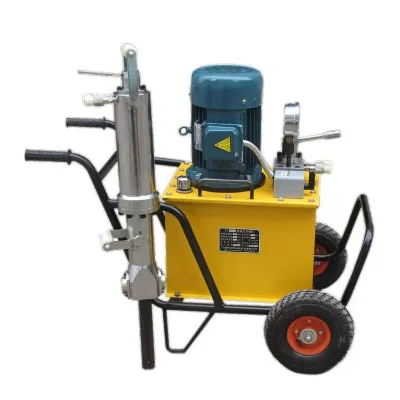
Rock Splitter Machine Hydraulic Rock Splitter
$1100.00 - $3500.00
MOQ: 1 Pieces
Shandong China Coal Industrial & Mining Supplies Group Co., Ltd.




Comprehensive Sourcing Guide
Electric Hydraulic Rock Splitter Sourcing Guide
Sourcing electric hydraulic rock splitters requires a careful balance between power efficiency, operational safety, and mechanical durability. These machines utilize hydraulic pressure generated by electric motors to drive wedges into pre-drilled holes, creating immense splitting forces without the noise, vibration, or explosive hazards associated with traditional blasting. For procurement teams, the primary decision lies in selecting the right configuration—whether diesel or electric powered—and ensuring the hydraulic system matches the geological hardness of the target material. The observed market data indicates a wide range of models, from compact units with 80-ton splitting forces to heavy-duty industrial systems capable of 1300 tons, necessitating a rigorous verification process before purchase.
The transition from diesel to electric power sources offers distinct advantages in controlled environments, such as urban construction sites, tunneling projects, or indoor demolition work, where emissions and noise levels are strictly regulated. Electric models typically feature AC motors that provide consistent power delivery and lower maintenance requirements compared to internal combustion engines. However, buyers must verify the compatibility of the power supply with their site infrastructure and ensure that the hydraulic pump pack is adequately sized to maintain pressure within the required 100-150 MPa range. This guide outlines the critical technical, compliance, and commercial factors that influence the successful procurement of these specialized rock splitting tools.
Product Scope and Observed Listing Signals
The current market for rock splitters presents a diverse array of specifications, with observed prices ranging from $100 to $13,000 USD and a minimum order quantity (MOQ) of one unit for most suppliers. This wide price variance reflects differences in splitting force capacity, material quality, and brand reputation. Buyers should note that while some listings advertise theoretical splitting forces of up to 1300 tons, actual operational forces may vary based on hydraulic efficiency and material resistance. The presence of customization options suggests that manufacturers can tailor cylinder diameters, effective lengths, and power sources to specific project requirements, allowing for precise alignment with geological conditions.
Observed product attributes highlight key differentiators such as engine type, with options including diesel, gasoline, and electric motors. The material composition of splitting parts is critical, with high manganese steel and tungsten carbide being common choices for durability against abrasive rock formations. Splitting distances typically range from 13 to 18 mm, and hole diameters required for operation often fall between 32 and 38 mm, though larger models may require up to 40.5-45.5 mm. Buyers must carefully cross-reference these physical dimensions with their existing drilling equipment to ensure compatibility, as mismatched hole sizes can lead to operational failures or equipment damage.
Technical Specifications to Verify
When evaluating technical specifications, the hydraulic system’s pressure rating and cylinder dimensions are paramount. Standard operating pressures for these units often range from 100 to 150 MPa, which directly influences the splitting force generated. Buyers should verify the piston diameter, with common sizes including 80 mm and 90 mm, as these determine the hydraulic force multiplication. The effective length of the splitter, observed at 850 mm for certain models, must be sufficient to engage the rock mass effectively without exceeding the depth of the pre-drilled hole, which can range from 400 mm to 1000 mm depending on the model.
Power transmission and motor type significantly impact the unit’s suitability for specific environments. Electric models utilizing AC motors offer quieter operation and cleaner exhaust profiles, making them ideal for enclosed spaces. In contrast, diesel-powered units provide greater mobility and independence from grid power but generate more noise and emissions. Buyers must also consider the tank capability, with observed capacities around 40 liters, to ensure sufficient hydraulic fluid volume for continuous operation without overheating. The theoretical splitting force, often cited as 500 tons or higher, should be validated against the actual splitting force, which may be lower due to mechanical losses and hydraulic inefficiencies.
Compliance and Safety Documentation
Compliance with international standards is essential for ensuring the safety and reliability of hydraulic rock splitters. Most observed products carry CE and ISO certifications, indicating adherence to European safety directives and international quality management systems. Buyers should request specific certification documents, such as ISO 9001 for quality management and CE marks for machinery safety, to verify that the manufacturer follows rigorous production protocols. Additional certifications like SGS, IQNET, and ROHS may be present, offering further assurance regarding material safety and manufacturing consistency.
Safety documentation should include detailed operational manuals, hydraulic schematics, and maintenance guidelines. Buyers must ensure that the supplier provides clear instructions on pressure relief procedures, emergency stop mechanisms, and proper handling of high-pressure hydraulic lines. The absence of proper safety features, such as pressure gauges or relief valves, can pose significant risks to operators. Verifying that the product meets local regulatory requirements in the destination country is crucial, especially for electric models that must comply with electrical safety standards for industrial equipment.
Cost Drivers and Commercial Terms
Several factors influence the final cost of an Electric Hydraulic Rock Splitter, including the splitting force capacity, material quality, and power source. Units with higher theoretical splitting forces, such as those exceeding 800 tons, typically command higher prices due to the increased material and engineering requirements. The choice between diesel and electric power also affects cost, with electric models potentially having higher upfront costs but lower long-term operational expenses due to reduced fuel and maintenance needs. Buyers should consider the total cost of ownership, including energy consumption, spare parts availability, and expected lifespan.
Commercial terms such as packaging, shipping, and payment methods play a significant role in the procurement process. Products are commonly packed in wooden boxes, plywood cases, or cartons, often placed on pallets for secure transport. The origin of the product, frequently Shandong, China, impacts shipping costs and lead times. Buyers should negotiate clear terms regarding delivery responsibilities, insurance, and customs clearance. Additionally, the availability of customization services may incur additional costs, so it is important to clarify these charges upfront to avoid budget overruns.
Supplier Qualification and Quality Control
Supplier qualification is a critical step in mitigating procurement risks. Buyers should assess the manufacturer’s production capabilities, focusing on processes such as forging, which is commonly used for manufacturing durable splitting parts. High manganese steel and tungsten carbide materials are preferred for their resistance to wear and impact, so verifying the source and quality of these materials is essential. Suppliers with established quality control systems, evidenced by ISO certifications, are more likely to deliver consistent product quality and reliable performance.
Quality control measures should include pre-shipment inspections, pressure testing, and functional checks of the hydraulic system. Buyers should request test reports or certificates of conformity that verify the actual splitting force and pressure ratings. Engaging with suppliers who offer after-sales support, including technical assistance and spare parts supply, enhances the long-term value of the procurement. Establishing a clear communication channel for addressing any technical issues or warranty claims is also vital for maintaining operational continuity.
Long-Term Procurement Checks
Long-term procurement success depends on the supplier’s ability to provide consistent quality and support over time. Buyers should monitor supplier performance metrics, such as on-time delivery rates, product defect rates, and responsiveness to technical inquiries. Regular audits or site visits, if feasible, can provide insights into the manufacturer’s production processes and quality control practices. Building a strong relationship with the supplier can lead to better pricing, priority service, and access to new product developments.
Continuous evaluation of the product’s performance in the field is necessary to ensure it meets operational requirements. Buyers should track metrics such as splitting efficiency, maintenance frequency, and component lifespan to identify any potential issues early. Feedback from field operators should be incorporated into future procurement decisions, allowing for adjustments in specifications or supplier selection. By maintaining a proactive approach to supplier management and product evaluation, buyers can optimize their investment in electric hydraulic rock splitters and achieve sustained operational efficiency.
FAQs
What is the splitting force of the hydraulic rock splitter?
The theoretical splitting force reaches up to 1300 tons, while the actual split force is typically around 280 tons. This variation depends on the specific model selected, such as the JX80-250 or ZT series, and the operating pressure which ranges from 100 to 150 MPa.
Which engine types are available for these rock splitters?
Available engine types include diesel, gasoline, and hydraulic power sources. Some models utilize a DC motor or AC motor configuration, allowing buyers to select the power unit that best fits their specific operational environment and energy availability requirements.
Can the product be customized for specific drilling depths?
Yes, customization is available for various drilling depths ranging from 400mm to 700mm minimum. Buyers can also request specific colors and packing options like wooden boxes or ply-wooden cases to meet their unique project logistics and storage needs.
What certifications do the manufacturers hold for these machines?
Manufacturers hold recognized certifications including CE, ISO, ISO9001, IQNET, and ROHS. These standards ensure the equipment meets international safety and quality requirements, providing assurance for buyers sourcing products from factories in Shandong, China.
How is the product packed for international shipping?
Products are typically packed in wooden boxes, ply-wooden cases with pallets, or carton boxes with plastic bags. The specific packaging method can be adjusted based on customer inquiry to ensure safe transport via air, sea, or express delivery services.
What are the standard dimensions for the splitting parts?
The splitting parts diameter ranges from 40.5mm to 45.5mm with a splitting distance of 13-18mm. Standard models like PA150 or PA250 follow specific dimensions, while the effective length for certain units can reach up to 850mm.